
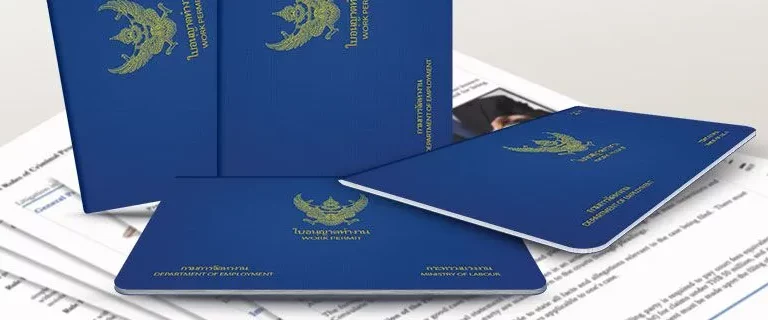
A Thai work permit is an official government authorization that allows foreign nationals to work legally within the Kingdom of Thailand. Regardless of the type of visa held, most foreigners must obtain a valid work permit before engaging in any form of employment or business activity. Thai authorities strictly regulate foreign labor to protect the domestic workforce while encouraging skilled professionals and investors who contribute to economic growth.
Working without a permit can result in severe penalties, including fines, deportation, and blacklisting. Employers who hire unauthorized workers also face significant legal consequences. As such, understanding the legal framework and compliance requirements surrounding work permits is essential for both employees and businesses operating in Thailand.
This article provides an in-depth examination of Thai work permits, including governing laws, eligibility requirements, application procedures, employer obligations, compliance standards, risks, and practical guidance.
II. Legal Framework and Governing Authorities
A. Primary Legislation
Work permits in Thailand are governed primarily by the following statutes:
-
Foreigners’ Working Management Emergency Decree (2017), as amended
-
Immigration Act B.E. 2522 (1979)
-
Labor Protection Act
-
Foreign Business Act
Together, these laws regulate who may work in Thailand, what activities are permitted, and the penalties for violations.
B. Government Agencies
Several authorities oversee foreign employment:
-
Department of Employment (Ministry of Labor): Issues work permits
-
Thai Immigration Bureau: Manages visas and entry permissions
-
Board of Investment (BOI): Provides special privileges for promoted companies
-
One Stop Service Center: Facilitates streamlined applications for qualifying businesses
Coordination between these agencies is often necessary.
III. What Qualifies as “Work” in Thailand?
Thailand defines “work” broadly. It includes both paid and unpaid activities if the foreigner uses knowledge, effort, or skills to perform a task.
Examples may include:
-
Formal employment
-
Consulting
-
Teaching
-
Managing a company
-
Providing technical services
-
Participating in business operations
Even volunteer activities may require authorization if they resemble structured work.
IV. Eligibility Requirements
A. Requirements for the Foreign Applicant
To qualify for a work permit, applicants typically must:
-
Hold a Non-Immigrant Visa (commonly Category “B” for business or employment)
-
Possess relevant education or professional experience
-
Be in good health
-
Have no prohibited criminal history
Certain professions remain restricted to Thai nationals.
B. Employer Qualifications
Thai authorities also evaluate the sponsoring employer. Standard requirements often include:
-
Registered business in Thailand
-
Minimum capital (commonly 2 million THB per foreign employee, though exceptions exist)
-
Appropriate business licenses
-
Compliance with tax regulations
Additionally, many companies must maintain a ratio of four Thai employees per foreign worker, although BOI-promoted companies may receive exemptions.
V. Restricted Occupations
Thailand maintains a list of occupations reserved for Thai citizens to protect local employment. Examples include:
-
Retail trading (with limited exceptions)
-
Hairdressing and beauty services
-
Tour guiding
-
Manual labor
-
Certain construction roles
-
Traditional crafts
Foreigners should verify that their intended role is permissible before accepting employment.
VI. Types of Work Permits
A. Standard Work Permit
This is the most common permit issued to foreign employees working for Thai companies.
It specifies:
-
Employer name
-
Job title
-
Workplace location
-
Scope of duties
Foreign workers must not perform tasks outside those described in the permit.
B. BOI-Sponsored Work Permits
Companies promoted by the Board of Investment benefit from:
-
Faster processing
-
Reduced documentation
-
Possible exemptions from employee ratio rules
-
Renewable long-term permissions
These privileges make Thailand more attractive to foreign investors.
C. SMART Visa Work Authorization
Certain professionals under Thailand’s SMART Visa program may work without a traditional permit, provided they comply with visa conditions.
This program targets experts in technology and innovation sectors.
VII. Application Process
Step 1: Secure the Appropriate Visa
Most applicants must obtain a Non-Immigrant B visa before applying for a work permit. In some cases, the permit is processed after entry into Thailand.
Step 2: Prepare Documentation
Common requirements include:
From the employee:
-
Passport
-
Visa copies
-
Educational credentials
-
Professional certificates
-
Medical certificate
-
Photographs
From the employer:
-
Company registration documents
-
Financial statements
-
VAT filings
-
Office map
-
Employment contract
Incomplete submissions can delay approval.
Step 3: Submit the Application
Applications are filed with the Department of Employment or a One Stop Service Center for eligible companies.
Processing times vary but are often completed within several business days once documentation is accepted.
Step 4: Permit Issuance
Upon approval, the foreign worker receives a work permit booklet or digital authorization. Employment may begin only after issuance.
VIII. Compliance Obligations
A. Employee Responsibilities
Foreign workers must:
-
Carry the permit or maintain accessible digital proof
-
Work only in the authorized role
-
Notify authorities of changes such as job title or workplace
-
Maintain valid visa status
Failure to comply can invalidate the permit.
B. Employer Responsibilities
Employers are required to:
-
Report foreign employment
-
Withhold and remit taxes
-
Maintain accurate payroll records
-
Notify authorities when employment ends
Non-compliant companies risk fines and operational scrutiny.
IX. Renewal and Extensions
Work permits are typically tied to the validity of the employee’s visa and employment contract.
Renewal requires:
-
Updated corporate documents
-
Proof of continued employment
-
Tax compliance
-
Visa extension
Early preparation is advisable to avoid lapses.
X. Changing Employers
A work permit is employer-specific. If a foreign employee changes jobs:
-
The existing permit must be canceled
-
A new application must be submitted
-
Visa conditions may require amendment
Working during transitional periods without authorization is prohibited.
XI. Penalties for Non-Compliance
Thailand enforces foreign labor laws rigorously.
For Employees
-
Fines that may reach tens of thousands of baht
-
Possible imprisonment
-
Deportation
-
Immigration blacklisting
For Employers
-
Significant fines per illegal worker
-
Potential imprisonment
-
Business license consequences
Authorities periodically conduct workplace inspections.
XII. Practical Guidance for Foreign Professionals
To minimize risk:
-
Confirm job eligibility before relocation
-
Ensure the employer is properly registered
-
Avoid beginning work prematurely
-
Keep documentation current
-
Seek legal advice when necessary
Careful planning promotes a smoother employment experience.
XIII. Emerging Trends in Foreign Employment
Thailand continues to refine its foreign labor policies to attract skilled professionals while safeguarding local jobs. Recent developments include:
-
Expanded visa categories for high-skill workers
-
Digital work authorization initiatives
-
Streamlined processes for investment-promoted companies
As the economy becomes more globally integrated, regulatory modernization is expected to continue.
XIV. Conclusion
Obtaining a Thai work permit is a fundamental legal requirement for foreigners seeking employment in Thailand. While the process is structured, it demands strict adherence to immigration, labor, and corporate regulations. Both employees and employers share responsibility for maintaining compliance throughout the employment relationship.
Given the potential penalties associated with unauthorized work, professional guidance is often advisable—particularly for businesses hiring foreign talent or individuals navigating complex visa categories.
A properly issued and maintained work permit not only protects against legal exposure but also provides the foundation for a stable and productive professional presence in Thailand.