
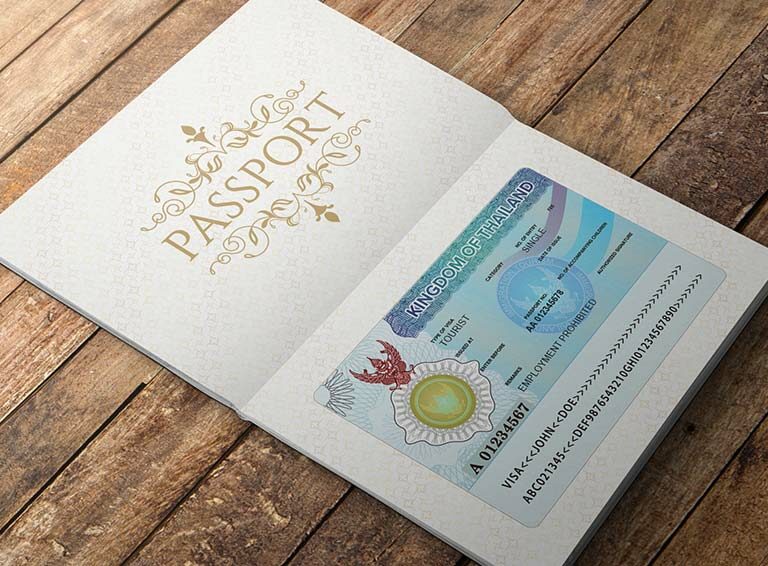
A tourist visa in Thailand is the primary legal instrument that allows foreign nationals to enter and stay in the country for leisure, sightseeing, visiting friends or family, and other non-business, non-employment purposes. While Thailand is known for its relatively accessible entry policies, tourist visas are governed by specific immigration laws, conditions, and limitations that travelers must understand to avoid overstaying, violations, or future entry problems.
This article provides a detailed and practical analysis of Thailand’s tourist visa system, including visa types, eligibility, application procedures, permitted activities, extensions, common pitfalls, and compliance considerations.
1. Legal framework governing tourist visas in Thailand
Tourist visas are regulated under:
-
The Immigration Act B.E. 2522 (1979)
-
Ministerial regulations and announcements issued by the Immigration Bureau
These laws grant Thai immigration authorities broad discretion to determine eligibility, length of stay, and compliance requirements. Holding a valid tourist visa does not guarantee entry; final admission is always subject to immigration officer approval at the port of entry.
2. Purpose and scope of a tourist visa
A tourist visa is intended strictly for temporary stays related to tourism and personal activities. It is not designed for employment, business operations, or long-term residence.
Permitted purposes generally include:
-
Tourism and leisure travel
-
Visiting friends or relatives
-
Medical treatment
-
Short-term personal activities
Any activity that constitutes “work” under Thai law is prohibited on a tourist visa.
3. Types of tourist visas available in Thailand
Thailand offers several tourist visa options, depending on nationality and travel plans.
Single-Entry Tourist Visa
-
Allows one entry into Thailand
-
Initial stay of up to 60 days
-
Extendable once for up to 30 additional days
This is the most common tourist visa for longer stays.
Multiple-Entry Tourist Visa
-
Valid for six months
-
Allows multiple entries during the validity period
-
Each entry permits a stay of up to 60 days
This option is suitable for travelers who plan to enter and exit Thailand multiple times.
Visa Exemption (Tourist Entry Without Visa)
Certain nationalities may enter Thailand without applying for a tourist visa in advance. Visa-exempt entries typically allow a shorter stay and are subject to stricter scrutiny regarding travel history and frequency of entry.
4. Eligibility requirements for a tourist visa
To qualify for a tourist visa, applicants generally must demonstrate:
-
A valid passport with sufficient remaining validity
-
Genuine intent to visit Thailand temporarily
-
Sufficient financial means to support the stay
-
Onward or return travel arrangements
Embassies and consulates may request additional supporting documents.
5. Application process for a tourist visa
Step 1: Submit application
Applications are submitted to a Thai embassy or consulate outside Thailand or through an authorized electronic system where available.
Step 2: Provide supporting documents
Common documents include:
-
Passport and application form
-
Recent photographs
-
Proof of accommodation
-
Travel itinerary or flight bookings
-
Financial evidence
Requirements vary by location and nationality.
Step 3: Visa issuance
Processing times range from a few working days to longer periods depending on volume and local practices.
6. Entry and stay conditions
Upon entry, immigration officers stamp the permitted length of stay in the passport. Travelers must:
-
Check the stamp carefully
-
Comply strictly with the permitted duration
The visa validity and permitted stay are not the same and should not be confused.
7. Extension of stay for tourist visas
Tourist visa holders may apply for a 30-day extension at a local immigration office.
Key points:
-
Extensions are discretionary, not automatic
-
Applications must be filed before the original stay expires
-
Overstaying, even by one day, is an offense
Supporting documents and fees are required at the time of application.
8. Activities prohibited under a tourist visa
Tourist visa holders are prohibited from:
-
Working or engaging in employment
-
Running or managing a business
-
Providing services, paid or unpaid
-
Volunteering in a manner considered “work”
Violations may result in fines, detention, deportation, and blacklisting.
9. Tourist visa vs. business and other visa categories
A tourist visa differs fundamentally from:
-
Business visas
-
Non-immigrant visas
-
Retirement or marriage visas
Using a tourist visa as a substitute for long-term or employment-related visas is a common cause of immigration violations.
10. Frequent entry and immigration scrutiny
Repeated use of tourist visas or visa exemptions may trigger increased scrutiny by immigration officers. Authorities may assess:
-
Frequency and length of previous stays
-
Purpose of travel
-
Financial means and ties outside Thailand
Entry may be denied if officers believe the traveler is not a genuine tourist.
11. Overstay and penalties
Overstaying a tourist visa carries serious consequences:
-
Daily fines
-
Detention and deportation
-
Bans on re-entry depending on overstay length
Compliance with departure deadlines is essential.
12. Tourist visas and remote work considerations
Thailand does not generally permit remote work on a tourist visa, even if:
-
The employer is overseas
-
Income is paid outside Thailand
Remote work may still be classified as “work” under Thai law, creating legal risk.
13. Medical tourism and long stays
Tourist visas are commonly used for medical treatment. Immigration authorities may request:
-
Medical appointment confirmations
-
Proof of funds
Extended stays may require alternative visa categories.
14. Tourist visas for family visits
Tourist visas may be used to visit family members in Thailand, but:
-
They do not confer residency rights
-
They do not permit employment
Long-term family stays typically require non-immigrant visas.
15. Conversion of tourist visas to other visas
In limited circumstances, a tourist visa may be converted to another visa type within Thailand. This is discretionary and subject to strict conditions. Travelers should not rely on conversion as a guaranteed option.
16. Common misconceptions about tourist visas
Frequent misunderstandings include:
-
Believing extensions are automatic
-
Assuming unpaid activities are allowed
-
Thinking visa runs guarantee continued entry
These misconceptions often result in refusal of entry or penalties.
17. Practical compliance tips for tourists
Tourists should:
-
Keep copies of passport and entry stamps
-
Track permitted stay dates
-
Avoid any activity that could be construed as work
-
Plan extensions or departures well in advance
Good compliance history supports future travel.
18. Impact on future visa applications
Violations of tourist visa conditions may:
-
Affect future visa approvals
-
Lead to increased scrutiny
-
Result in long-term travel restrictions
Maintaining a clean immigration record is critical.
19. Role of immigration discretion
Thai immigration authorities have wide discretion in:
-
Granting extensions
-
Approving entry
-
Assessing traveler intent
Respectful cooperation and proper documentation are essential.
20. Conclusion
The tourist visa in Thailand is designed to facilitate short-term visits for genuine tourism and personal purposes. While relatively accessible, it is governed by strict legal conditions that travelers must respect. Understanding the limitations of permitted activities, extension rules, and enforcement practices is essential to avoiding penalties and ensuring a smooth stay.
For travelers seeking longer stays, employment, or residence in Thailand, alternative visa categories should be explored rather than attempting to stretch the scope of a tourist visa. Proper planning and compliance with Thai immigration law provide the best foundation for enjoyable and trouble-free travel in Thailand.